Jul 06, 2012

Fourth Street Clinic's Written Statement to Supreme Court Affordable Care Act Ruling

Today homeless Utahns celebrate the opportunity for health insurance coverage: Tomorrow advocates get to work to make it a reality in Utah

Salt Lake City, UT - June 28, 2012: For homeless Utahns, today is a day to celebrate as today the poorest among us now have the opportunity for health insurance coverage through the nation's state-administered Medicaid Programs. For some Utah homeless residents, 2014 (when the Affordable Care Act, or ACA, will be fully implemented) will be the first time ever that they can be insured and have the ability to manage their care outside the emergency medical systems, including 911 and hospital emergency rooms.

At Fourth Street Clinic, the nonprofit health care provider that only serves those experiencing homelessness, 98% of patients live below 100% of the federal poverty level, but only 17-22% on a yearly average have been eligible for Utah's Medicaid Program due to categorical restrictions to income guidelines. For example, Utahns must fall below poverty thresholds and have a dependent living with them or be permanently disabled for longer than one year to qualify. With the U.S Supreme Court upholding the Affordable Care Act (ACA) in its entirety including the Medicaid Expansion, the foundation is laid to help States eliminate the categorical restrictions and expand coverage. If you are poor (making less than $15,000 a year which puts you below 133% of the federal poverty level), you will qualify for Medicaid - period. The ACA also legislates that for all new enrollees, federal funding will cover 100% of the program costs the first two years. It will not cost the States a penny. Federal funding will level out to 90% of the new enrollees Medicaid costs, which is still well above the 70% that is currently federally funded. This gives Utah a real opportunity to greatly increase the amount of resources that keep Utahns healthy, and Fourth Street Clinic aims to move homeless insurance rates from 22% to 60% of patients.

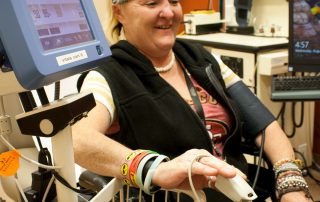
For homeless patients like Lura, health insurance may be a life saver. Lura contracted a rapidly-spreading skin infection in one of her legs in October 2011 and lives at The Road Home Shelter. Fourth Street Clinic treats her, but without health insurance and limited access to medical supplies, soap and water and a long-term place to elevate and rest her leg, her doctors are limited on the care they can provide. Despite oral antibiotics and weekly doctor visits, Lura's skin infection has taken over both of her feet and legs, and edema and poor circulation is causing skin ulcers. Her skin is purple, swollen and constantly oozing. She changes her bandages 3-times daily with supplies given to her through the clinic. "If she had health insurance," says her Fourth Street Clinic primary care provider Alissa Firmage, APRN, "I'd admit her into a long-term nursing care facility, so she can receive IV antibiotics and elevate her legs." For now, Lura remains at the shelter and calls 911 for emergency transport when the pain gets unbearable. Lura has had 4 ER visits so far in 2012.

In addition to making on-going treatments and primary care accessible to the poorest Americans, the Supreme Court also upheld the Individual Mandate. For homeless Utahns this has a less direct impact than the upholding of the Medicaid Expansion; however, it is the cornerstone piece of the law that addresses how to lower the overall cost of health care and health insurance rates and is the private insurance industry's best shot at competing for business based on the value of their product portfolio rather than simply avoiding risk - ie: rejecting or dropping people who are sick and high-cost customers.

For community health centers around the country, like Fourth Street Clinic, the ACA means secured funding to support services through the appropriation of federal dollars and the ability to get reimbursed through health insurance plans. The result being a financially strengthened community health system that is set to provide job opportunities in some of the poorest areas around the country while providing services that ensure the health of the very people living there. Now it is time to prepare for full implementation of the health reform law. As health care advocates, health centers will have a major role in creating public awareness and understanding of the law's benefits and protections and helping community residents who qualify to enroll with their Medicaid agencies and the Exchanges so they are able to gain the coverage they need and deserve.